Organic Quinoa: Benefits, How to Cook It and South Indian Recipes
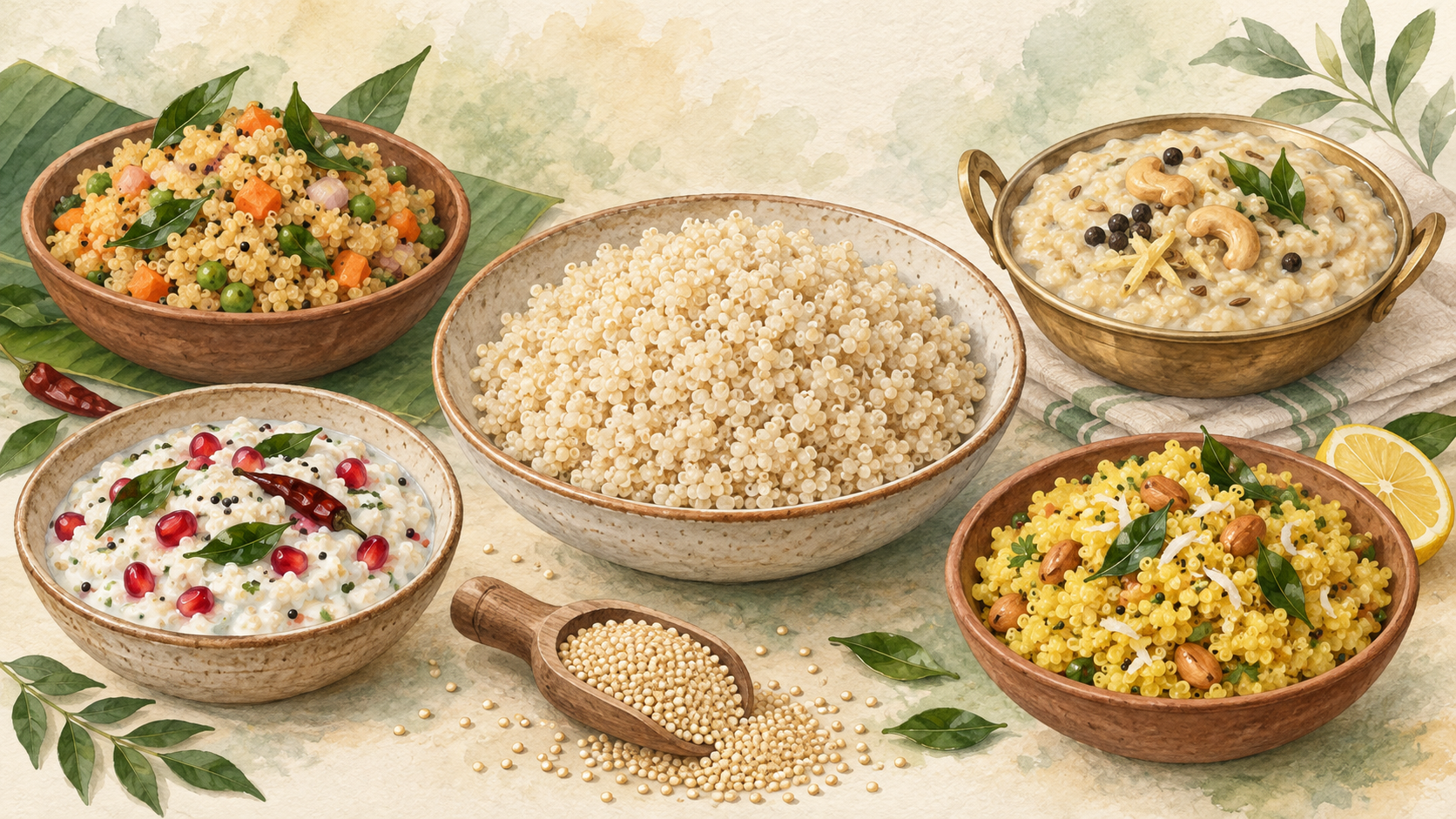
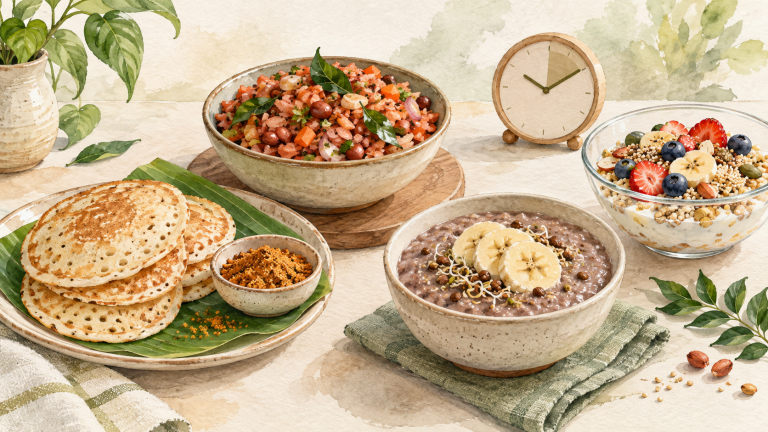
Quinoa may come from the Andes, but its mild, nutty flavour and quick-cooking texture fit surprisingly well into a South Indian kitchen. It can take the place of part or all of the rice or rava in upma, pongal, curd rice-style dishes, lemon rice and even fermented dosa batter.
It is often promoted as a “superfood”, but no single ingredient can make a diet healthy. Quinoa’s real value is more practical: it is a versatile seed with useful protein, fibre and minerals, it is naturally gluten-free, and it gives households another whole-food option to rotate with rice, millets and other traditional grains.
What is quinoa?
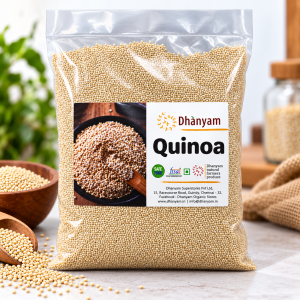
Quinoa (Chenopodium quinoa) is the seed of a broad-leaved plant traditionally cultivated in the Andean region of South America. It is called a pseudocereal because it is cooked and eaten like a grain even though it does not belong to the grass family of rice, wheat and millets.
The small seeds expand when cooked and develop a soft centre with a faintly firm bite. A tiny white ring or “tail” becomes visible around each seed; this is the germ separating slightly during cooking and is completely normal.
Why choose organic quinoa?
Organic describes the way the crop is cultivated and handled. It does not make quinoa carbohydrate-free or transform it into medicine. Choosing certified-organic quinoa supports farming standards that restrict synthetic pesticides and fertilisers and require documented handling through the supply chain.
Nutritional benefits of quinoa
A well-balanced plant protein
Quinoa provides all nine essential amino acids. Its lysine content is particularly useful because lysine tends to be relatively limited in many cereal grains. This is why quinoa is often described as a “complete protein”.
That phrase can be misunderstood. Quinoa is still predominantly a carbohydrate-rich seed, and an ordinary serving does not replace all the protein needed across the day. It works best alongside dal, beans, curd, nuts, seeds, eggs, fish or another suitable protein source.
Fibre and satisfying texture
Quinoa contains dietary fibre and retains the structural complexity of a whole seed. The combination of fibre, protein and texture can make a measured portion more satisfying than a similarly prepared refined grain. Fibre also supports normal bowel function and a diverse diet for the gut microbiome.
Minerals and vitamins
Quinoa supplies magnesium, iron, zinc and several B vitamins. Exact amounts vary with variety, soil, processing and cooking. Like other plant foods, it also contains compounds such as phytate and oxalate that can reduce the absorption of some minerals, so quinoa should be part of a varied diet rather than treated as a supplement.
Naturally gluten-free
Quinoa itself does not contain gluten. People with coeliac disease or a medically diagnosed gluten intolerance should still check that the packet is certified or handled to avoid cross-contact with wheat, barley and rye. The other ingredients and utensils in a recipe must also be gluten-free.
A useful alternative—not a compulsory replacement
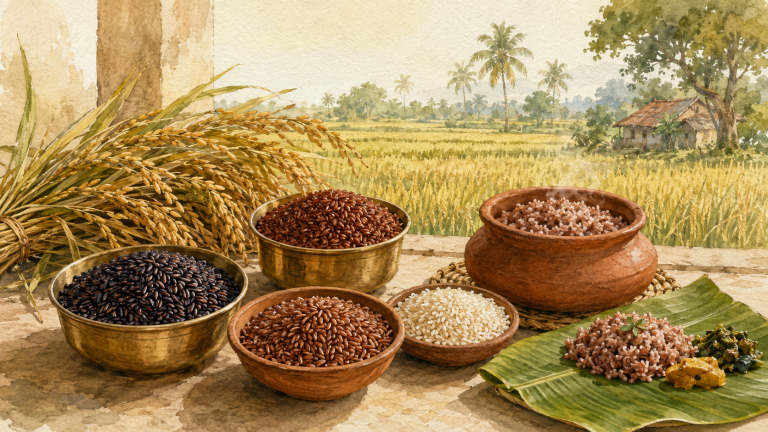
Quinoa brings nutritional and culinary variety, but it does not need to displace Tamil heritage rice or millets. Rotating quinoa with samai, thinai, varagu, ragi, Kullakar, Mappillai Samba and other familiar grains gives the household a wider range of flavours, textures and plant compounds.
Is quinoa suitable for diabetes?
Quinoa can fit into a diabetes-conscious meal, particularly when it replaces a refined carbohydrate and is served with vegetables and protein. Some clinical studies have reported improvements in measures of glucose control when quinoa was used within a structured diet. However, the evidence is still developing, and quinoa is not a treatment for diabetes.
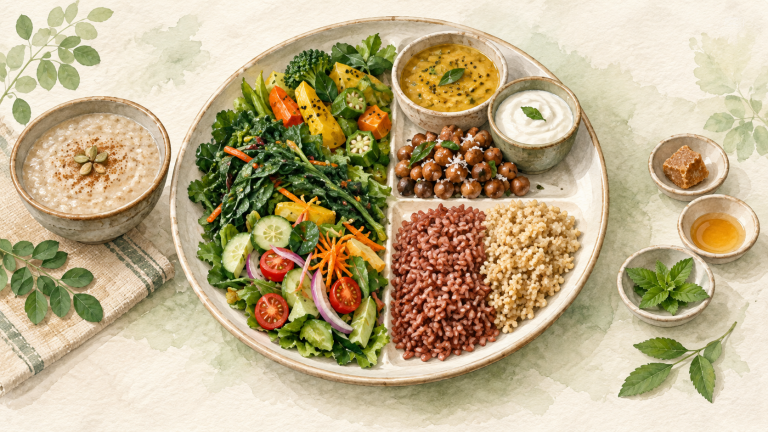
It still contains substantial carbohydrate. Portion size, cooking method, the rest of the meal, medicines and individual response all matter. A practical plate would contain plenty of non-starchy vegetables, a protein-rich food and a modest quinoa portion. People who monitor blood glucose can observe their own response to a measured serving and discuss patterns with their clinician or registered dietitian.
Why quinoa can taste bitter—and how to prevent it
Quinoa seeds naturally carry compounds called saponins on their outer surface. Saponins help protect the plant and can taste bitter or soapy. Commercial quinoa is often pre-washed, but rinsing at home is still useful.
- Place quinoa in a fine-mesh sieve so the small seeds do not escape.
- Rinse under running water for 30–60 seconds, rubbing the seeds gently with your fingers.
- Drain thoroughly. If the rinse water foams heavily or the cooked quinoa has a strong bitter taste, rinse the next batch for longer.
Do not soak and discard repeatedly without a reason; a thorough rinse is normally enough. Toasting the drained quinoa for a minute or two before adding water deepens its nutty aroma.
Basic method: how to cook fluffy quinoa
Yield: approximately 3 cups cooked quinoa from 1 cup dry quinoa
You will need
- 1 cup Organic Quinoa White
- 1¾–2 cups water
- A small pinch of salt, optional
Stovetop method
- Rinse the quinoa well in a fine-mesh sieve and drain.
- Optional: toast it in the dry saucepan for 1–2 minutes.
- Add 1¾ cups water for separate grains or 2 cups for a softer result.
- Bring to a boil, cover and reduce to the lowest simmer.
- Cook for about 12–15 minutes, until the liquid is absorbed.
- Switch off the heat and leave covered for 5–10 minutes.
- Fluff gently with a fork.
Quinoa variety, age and cookware can alter the required water. If the seed remains hard after the liquid is absorbed, sprinkle in a little hot water and cook for a few more minutes. For the recipes below, quinoa can be cooked in advance and refrigerated promptly in a covered container for the next meal.
Recipe 1: Quinoa vegetable upma
Serves: 2 Time: about 25 minutes
Ingredients
- 1 cup rinsed quinoa
- 1¾ cups hot water
- 1 tablespoon cold-pressed sesame oil or another cooking oil
- ½ teaspoon mustard seeds
- 1 teaspoon urad dal and 1 teaspoon channa dal
- 1 small onion, chopped
- 1 green chilli and a small piece of ginger, chopped
- 1 cup finely chopped carrot, beans and peas
- Curry leaves, coriander, salt and lemon juice
Method
- Heat the oil. Splutter mustard, then add the dals and fry until golden.
- Add curry leaves, chilli, ginger and onion. Sauté until the onion softens.
- Add the vegetables and cook for 2–3 minutes.
- Add quinoa, hot water and salt. Cover and simmer for 12–15 minutes.
- Rest for 5 minutes, fluff, and finish with coriander and lemon.
Serve with plain curd or a small bowl of sundal to make the meal more complete.
Recipe 2: Quinoa ven pongal
Serves: 3 Time: about 25 minutes
Ingredients
- ¾ cup quinoa
- ¼ cup yellow moong dal
- 3–3½ cups water
- 1–2 teaspoons ghee or cold-pressed oil
- 1 teaspoon cumin, ½ teaspoon crushed black pepper
- 1 teaspoon grated ginger
- Curry leaves and a few cashews, optional
- Salt
Method
- Dry-roast the moong dal until aromatic. Rinse it with the quinoa.
- Pressure-cook with water and salt for 3 whistles, or cook in a covered pot until very soft.
- Heat ghee or oil. Fry cumin, pepper, ginger, curry leaves and optional cashews.
- Stir the tempering into the soft quinoa-dal mixture. Add hot water if needed for a creamy pongal consistency.
Serve with sambar and vegetables. The moong dal improves the protein balance while preserving the comforting character of ven pongal.
Recipe 3: Lemon-coconut quinoa
Serves: 2 Time: 10 minutes with cooked quinoa
Ingredients
- 2 cups cooked and cooled quinoa
- 2 teaspoons sesame oil
- ½ teaspoon mustard seeds
- 1 teaspoon urad dal and 1 teaspoon channa dal
- 1 tablespoon peanuts
- Green chilli, curry leaves and a pinch of turmeric
- 2 tablespoons grated coconut
- Juice of ½ lemon and salt
Method
- Heat the oil and add mustard, dals and peanuts.
- When golden, add chilli, curry leaves and turmeric.
- Fold in the cooked quinoa, coconut and salt. Warm gently without mashing.
- Switch off the heat before adding lemon juice.
Pack it with cucumber, beans poriyal or sundal rather than treating the quinoa alone as the entire lunch.
Recipe 4: Curd quinoa
Serves: 2 Time: 10 minutes with cooked quinoa
Ingredients
- 2 cups soft-cooked, completely cooled quinoa
- ¾–1 cup plain curd
- A little water or milk to adjust consistency, optional
- ½ teaspoon mustard seeds
- Ginger, green chilli and curry leaves
- Grated carrot, cucumber or pomegranate, optional
- Salt
Method
- Mash the cooked quinoa lightly and combine it with curd and salt.
- Temper mustard, ginger, chilli and curry leaves in a teaspoon of oil.
- Stir into the quinoa. Add carrot or cucumber for freshness.
Add curd only after the quinoa has cooled. For a lunch box, keep the dish chilled and follow safe food-handling practices.
Recipe 5: Fermented quinoa dosa
Makes: about 12 dosas Active time: 20 minutes, plus soaking and fermentation
Ingredients
- 1½ cups quinoa
- ½ cup idli rice or unpolished rice
- ½ cup whole white urad dal
- ½ teaspoon fenugreek seeds
- Salt and water as needed
Method
- Rinse quinoa thoroughly. Soak quinoa and rice together for 4–6 hours.
- Soak urad dal and fenugreek separately for the same period.
- Grind the urad mixture until light, then grind quinoa and rice smoothly.
- Combine, add salt as appropriate, and ferment in a warm place for 8–12 hours.
- Thin the batter to dosa consistency and cook on a hot tawa.
For a more pulse-forward variation, replace some rice with soaked moong dal and make a thicker adai-style dosa. Fermentation time changes with room temperature; rely on aroma, lightness and visible activity rather than the clock alone.
Other easy South Indian uses
- Replace part of the rice in sambar sadam with cooked quinoa.
- Add a handful to vegetable soup or rasam for body.
- Use leftover quinoa in mixed-vegetable cutlets with cooked dal.
- Combine it with millet or heritage rice rather than making an abrupt full replacement.
- Make a savoury breakfast bowl with buttermilk, cucumber, curry leaves and roasted groundnut.
Common mistakes to avoid
- Skipping the rinse: residual saponins can leave an unpleasant bitterness.
- Using too much water: quinoa can become wet and pasty instead of fluffy.
- Expecting it to taste like rice: its nutty flavour and tiny seed texture are distinct.
- Serving quinoa alone: add vegetables and a suitable protein partner.
- Assuming gluten-free means carbohydrate-free: quinoa still contributes carbohydrate and energy.
- Treating it as a cure: it cannot by itself prevent or treat diabetes, anaemia or another condition.
Who may need extra care?
Introduce quinoa gradually if your diet is usually low in fibre, since a sudden increase may cause bloating. Anyone with a seed allergy should avoid it. People with coeliac disease should confirm cross-contact controls, and those managing diabetes, kidney disease or another prescribed diet should adjust portions with professional guidance.
The bottom line
Organic quinoa is a useful whole-food ingredient: naturally gluten-free, rich in a well-balanced plant protein, a source of fibre and minerals, and easy to adapt to South Indian flavours. Its greatest strength is versatility, not novelty.
Rinse it well, learn the water ratio that suits your batch, and begin with a familiar dish such as vegetable upma, ven pongal, lemon quinoa or curd quinoa. Rotate it with millets and heritage rice, and build the meal with vegetables and protein. That is a more durable approach than replacing every grain with the latest “superfood”.