Cold-Pressed Sesame Oil: The Story of Nalla Ennai
Cold-pressed sesame oil—also called gingelly oil, ellu ennai and nalla ennai—is one of Tamil cuisine’s defining flavours. Its warm, nutty aroma belongs equally at the everyday table and in seasonal rituals: mixed into idli podi, stirred into kuzhambu, poured over hot rice, used to protect puliyodharai, and warmed for the traditional oil bath.
What does “nalla ennai” mean?
In Tamil, நல்லெண்ணெய் (nalla ennai) literally means “good oil”. In common Tamil usage, the name refers specifically to sesame or gingelly oil. The honour in that name reflects how deeply sesame oil has been valued in Tamil homes—for cooking, preservation, massage, bathing, lamps and ceremonial use.
There is also a beautiful linguistic connection: ellu means sesame and nei/ney means fat or ghee. Sesame oil was so foundational that the general Tamil word ennai became associated with oil itself. Whatever etymology one prefers, “nalla ennai” expresses more than an ingredient; it conveys trust, nourishment and suitability for daily life.
Sesame oil, gingelly oil and til oil: are they the same?
All are oils from Sesamum indicum. In South India, “gingelly oil” and “sesame oil” are usually interchangeable, while ellu ennai and nalla ennai are familiar Tamil names. The flavour and colour can nevertheless differ according to:
- whether white, brown, red or black sesame seeds are used;
- whether the seeds are raw, sun-dried or lightly roasted;
- the wooden or metal press and its operating temperature;
- whether jaggery or karupatti is included during traditional pressing;
- settling, filtering, storage and age.
East Asian toasted sesame oil is generally darker and intensely roasted. Tamil cold-pressed nalla ennai is usually milder and more versatile as a cooking oil.
How traditional cold-pressed sesame oil is made
1. Selecting and cleaning the sesame
Good oil begins with sound, mature sesame seeds. Stones, dust, damaged seeds and other foreign matter are removed. Seed freshness matters because stale, damp or mould-affected sesame cannot be rescued by pressing.
2. Drying and conditioning
The cleaned seeds are dried to an appropriate moisture level. Depending on the local method, they may be gently conditioned rather than aggressively roasted. Moisture, temperature and seed variety influence oil yield, colour and aroma.
3. Slow chekku pressing
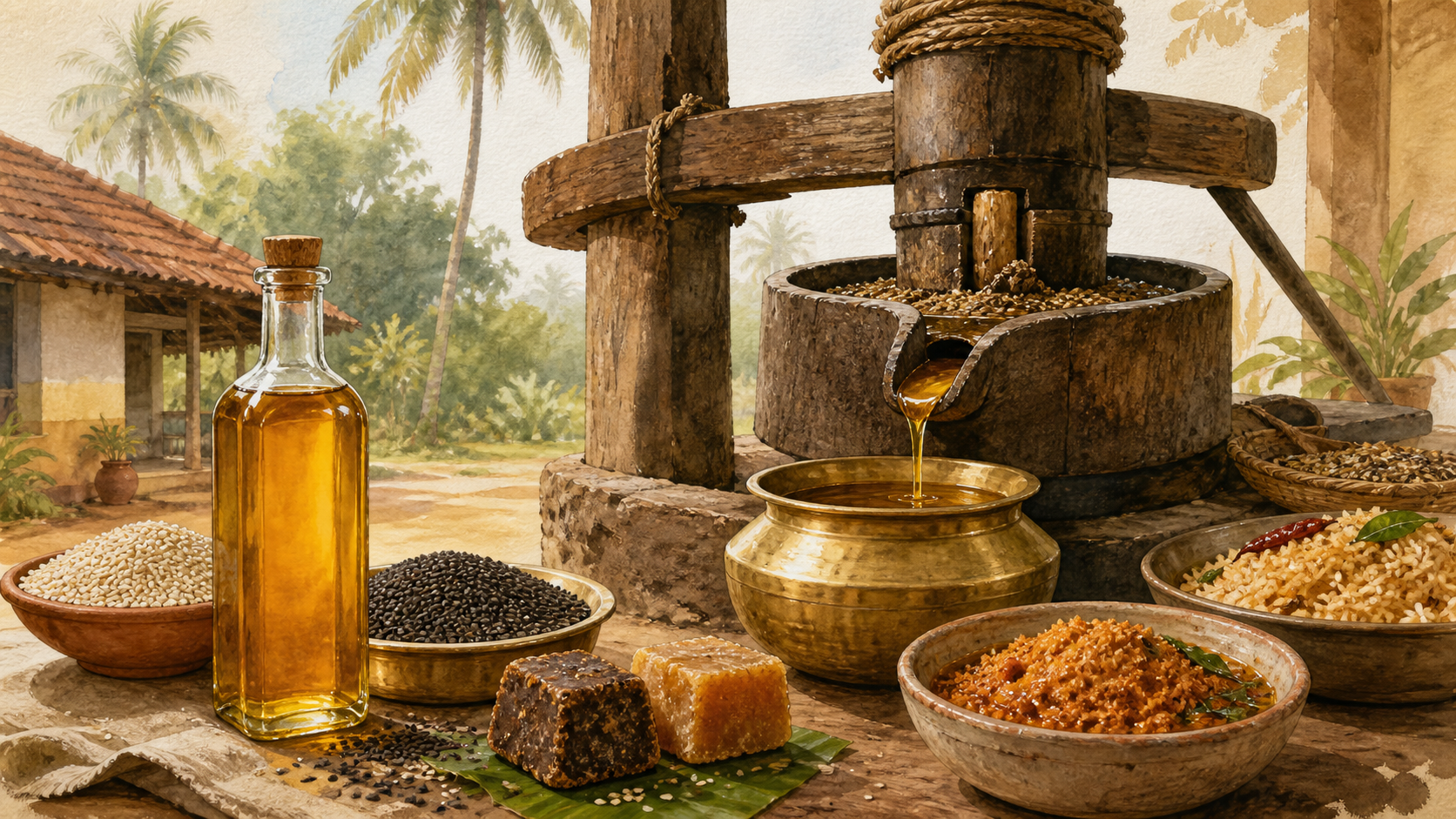
The seeds enter a chekku or ghani—traditionally a wooden mortar in which a heavy pestle rotates slowly. Earlier presses were driven by bullocks; modern marachekku units often use low-speed motors. Crushing breaks the seed cells and pressure gradually releases the oil.
“Cold-pressed” should mean that extraction is managed without the high heat and chemical solvent stages used in industrial refining. Friction still creates some warmth, so careful speed, batch size and temperature control are essential.
4. Adding jaggery or karupatti
In Tamil chekku practice, a small quantity of jaggery may be worked into the sesame during pressing. Some premium traditions use karupatti, or palm jaggery, instead. The sweetener helps condition the crushed seed mass and is traditionally valued for rounding sesame’s natural bitterness and contributing a deeper aroma, colour and flavour.
This is a processing addition, not an attempt to turn the oil into a sweet syrup. Most of the solid material remains with the pressed sesame cake, while the precise sensory effect depends on the press, proportion and jaggery quality. It should be declared transparently, particularly for people who want to know every input used during processing.
5. Settling and filtering
Freshly pressed oil contains fine seed particles. It is allowed to rest so heavier material settles, then filtered without bleaching or deodorising. Natural variation in colour and a little sediment can occur; a rancid, paint-like or mouldy smell is not normal.
Dhanyam’s two sesame-oil traditions
Dhanyam offers two organic cold-pressed sesame oils so customers can choose the flavour and process they prefer:
- Dhanyam Organic Cold Pressed Sesame Oil follows the traditional gingelly-oil process using jaggery during pressing. It is the versatile everyday nalla ennai for cooking, podi, gravies and body care.
- Dhanyam Organic Premium Sesame Oil uses karupatti—palm jaggery during pressing. Karupatti contributes deeper caramel-like, earthy notes and a particularly rounded traditional aroma.
Both begin with organic sesame seeds and cold pressing. The premium distinction lies chiefly in the use of karupatti and the flavour profile it creates; it does not mean the regular oil is refined or inferior.
-
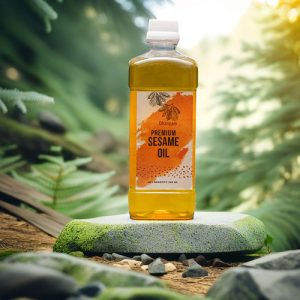
Organic Premium Sesame Oil
₹360.00500 ml Add -

Organic Cold Pressed Sesame Oil
Price range: ₹135.00 through ₹1,675.00200 ml / 3 Ltr / 500 ml / 1 Ltr Add This product has multiple variants. The options may be chosen on the product page
Why cold pressing is important
It preserves character
Refining is designed to make oil neutral, pale and uniform. Cold pressing keeps sesame’s recognisable aroma, colour and taste—the qualities that make nalla ennai irreplaceable in Tamil cooking.
It avoids solvent extraction and intensive refining
Mechanical pressing does not require chemical solvents, bleaching or high-temperature deodorisation. The process is simpler and easier for a consumer to understand and trace.
It retains naturally occurring minor compounds
Sesame contains vitamin E compounds, phytosterols and distinctive lignans such as sesamin and sesamolin. Research links these compounds to antioxidant activity and sesame oil’s useful oxidative stability. Amounts vary with seed, processing and storage, and their presence should not be turned into claims that the oil cures disease.
Flavour encourages mindful use
A strongly characterful oil can be used deliberately rather than invisibly. A spoonful mixed with podi or added at the end of a kuzhambu can transform a dish. Cold-pressed does not mean calorie-free or unlimited; all oils remain concentrated fats.
Traditional culinary uses
Idli and dosa podi
The classic pairing is milagai podi mixed with nalla ennai into a loose paste. The oil carries the roasted chilli, dal and sesame flavours, softens the heat and helps the podi cling to idli or dosa. Start with roughly equal spoonfuls and adjust to the texture you enjoy.
-
Organic Premium Sesame Oil
₹360.00500 ml Add -
Organic Cold Pressed Sesame Oil
Price range: ₹135.00 through ₹1,675.00200 ml / 3 Ltr / 500 ml / 1 Ltr Add This product has multiple variants. The options may be chosen on the product page -
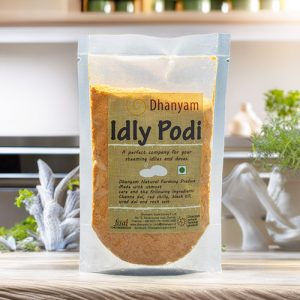
Organic Idly Podi
₹95.00100 g Add -
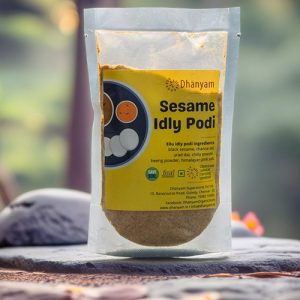
Organic Ellu Idly Podi
₹110.00100 g Add -
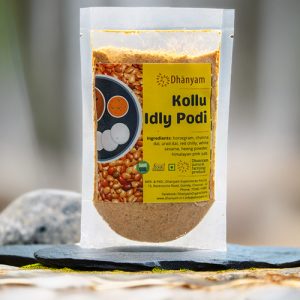
Organic Kollu Idly Podi | Organic Horse Gram Idly Powder
₹95.00100 g Add -
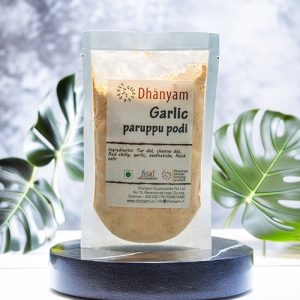
Organic Garlic Paruppu Podi
₹98.00100 g Add -
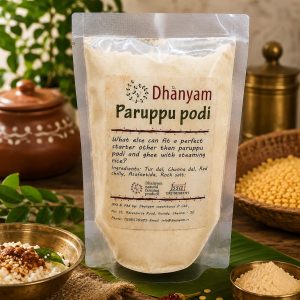
Organic Paruppu Podi
₹90.00100 g Add -
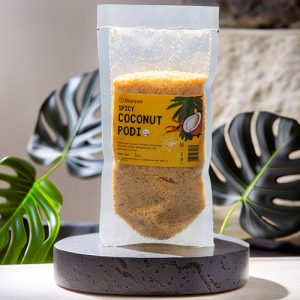
Organic Spicy Coconut Podi
₹120.00100 g Add
Sambar, kuzhambu and rasam
Sesame oil is especially suited to tamarind-based gravies. Use it for the initial tempering of mustard, fenugreek, curry leaves and dried chilli, or add a small finishing spoonful to deepen the aroma. It is traditional in vatha kuzhambu, puli kuzhambu and many pickle gravies. In sambar, it gives a fuller, distinctly Tamil flavour when used for tempering.
Puliyodharai and tamarind rice
Nalla ennai is central to good puliyodharai. It carries the spices, balances tamarind’s sharpness and coats the rice so the pulikaichal distributes evenly. The oil also helps the prepared tamarind mixture keep its flavour and texture better than a neutral oil. The premium karupatti-pressed variant can add an especially rounded background note.
Pickles and preserves
Many Tamil pickles use sesame oil for flavour, coverage and keeping quality. Oil cannot compensate for wet utensils or poor hygiene: jars and spoons must remain clean and dry, and the recipe’s salt and acidity still matter.
Vegetable dishes and finishing
Use it to sauté brinjal, bitter gourd, plantain, broad beans and root vegetables, or drizzle a little over keerai, sundal or hot rice. It pairs particularly well with tamarind, black pepper, chilli, curry leaves and roasted dal.
The Tamil oil bath—ennai kuliyal
A weekly sesame-oil bath, often taken on particular days according to family custom, is a familiar Tamil practice. Warm—not hot—nalla ennai is massaged onto the scalp and body, allowed to rest briefly, and washed away with warm water and traditional cleansers such as shikakai or a mild bath powder.
The practice can feel relaxing and helps reduce dryness by coating the skin and hair. It should not be presented as a detoxification treatment or cure. Patch-test first; avoid broken or infected skin, slippery floors and oil that is uncomfortably hot. People with eczema, scalp disease, allergies or medical restrictions should seek individual advice. Sesame is a recognised food allergen.
Cooking and storage guidance
- Use medium rather than uncontrolled high heat, and do not let the oil smoke.
- Avoid repeatedly heating and reusing frying oil.
- Keep the bottle tightly closed, away from sunlight, the stove and moisture.
- Pour with a clean, dry spoon or cap.
- Buy a quantity you can finish while the nutty aroma remains fresh.
- Discard oil that develops a stale, paint-like, bitter or rancid odour.
Is cold-pressed sesame oil healthy?
Sesame oil supplies predominantly unsaturated fats and naturally occurring lignans and tocopherols. Replacing some saturated fat with unsaturated fat can fit heart-conscious dietary guidance. But health depends on the whole meal pattern and quantity used, not on naming one oil a medicine.
Choose it for authentic process, flavour, traceability and its place in a varied diet. Anyone with sesame allergy must avoid it. People following a medically prescribed low-fat or energy-controlled diet should account for it like any other oil.
The bottom line
Nalla ennai earns its name—“good oil”—through a long relationship with Tamil food and daily life. Slow chekku extraction preserves sesame’s fragrance and identity. A small amount of jaggery, or premium karupatti, forms part of a traditional pressing practice that rounds the oil’s flavour. From idli podi and puliyodharai to kuzhambu, pickles and the weekly oil bath, few ingredients connect taste, memory and ritual so completely.
The best way to honour that tradition is simple: choose sound organic seeds, transparent low-temperature pressing and fresh oil; use it thoughtfully; and let its remarkable flavour do the work.