Palm Oil in Everyday Foods: Is It Really Healthy?
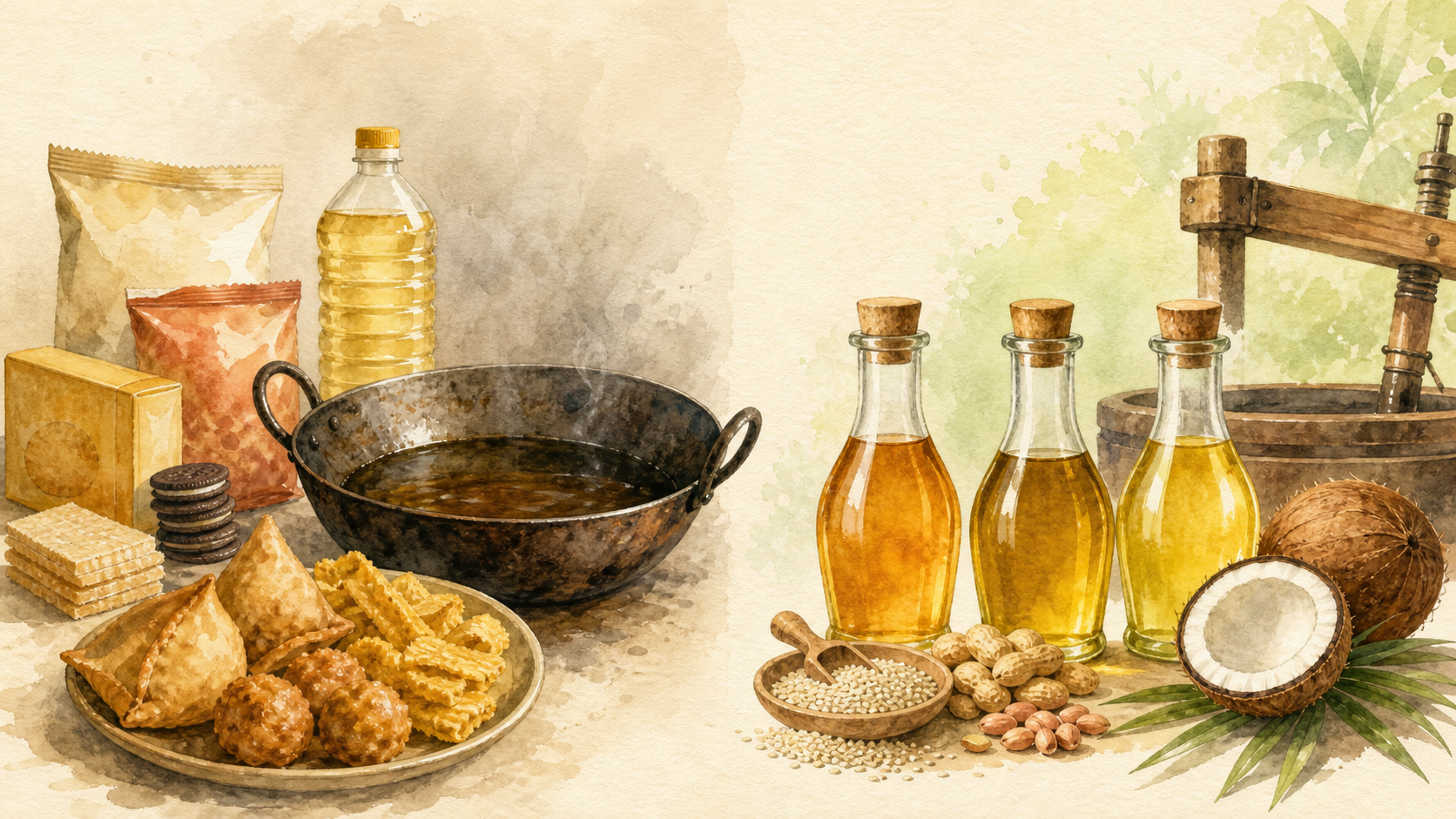
Palm oil is one of the world’s most widely used edible fats. It can appear in biscuits, namkeen, bakery products, instant noodles, chocolate spreads, frozen snacks and restaurant frying oil—often without being obvious from the front of the pack. Is it healthy? The honest answer is that palm oil is not a poison, but frequent consumption through fried and ultra-processed foods can bring too much saturated fat, excess calories and repeated-heating by-products into the diet.
What is palm oil?
Palm oil is extracted from the fleshy fruit of the oil palm. Palm kernel oil, extracted from the seed, is a different and generally more highly saturated fat. Crude red palm oil naturally contains carotenoids and vitamin E compounds, but most palm oil used in packaged foods is refined, bleached and deodorised. Refining produces a neutral, stable and economical oil, while also removing much of its colour, flavour and some naturally occurring protective compounds.
Palm oil is semi-solid at room temperature and resists oxidation better than many highly polyunsaturated oils. Those properties give biscuits their texture, keep fillings creamy and make the oil practical for commercial frying. They also explain why manufacturers use it so extensively.
Where does palm oil hide in everyday food?
- Biscuits, cookies, wafers, cakes and packaged bread
- Namkeen, chips, instant noodles and ready-to-fry snacks
- Bakery shortening, margarine and non-dairy creamers
- Chocolate spreads, confectionery coatings and some ice creams
- Frozen parathas, samosas, fries and convenience foods
- Restaurant, street-food and institutional deep frying
Read the ingredient list rather than relying on phrases such as “vegetable oil”. Depending on local labelling practice, you may see palm oil, palmolein, palm kernel oil, vegetable fat, shortening or an oil blend. The nutrition panel’s saturated-fat figure gives another useful clue, although it cannot identify the source by itself.
Is palm oil healthy?
Palm oil provides energy and helps carry fat-soluble vitamins, as all edible fats do. It contains both saturated and unsaturated fatty acids and is free from industrial trans fat unless it has been hydrogenated or blended with hydrogenated fat. Its heat stability can be useful in controlled food preparation.
The concern is quantity and dietary context. Palm oil is comparatively rich in saturated fat, particularly palmitic acid. The World Health Organization recommends limiting saturated fat and replacing it, where practical, with unsaturated fats to reduce cardiovascular risk. A small amount in an otherwise varied diet is different from eating palm-oil-rich biscuits, namkeen and fried food several times every day.
It is also easy to blame one ingredient for the effects of an entire food. Many palm-oil-containing products are simultaneously high in refined flour, salt, added sugar and calories and low in fibre. Their regular overconsumption—not palm oil alone—is the larger nutritional pattern to address.
Possible ill effects of excessive intake
Higher saturated-fat intake
When palm oil displaces oils richer in mono- and polyunsaturated fats, it may increase LDL cholesterol in some people. Persistently high LDL is an established cardiovascular risk factor. The effect depends on the rest of the diet, total intake, genetics and which food replaces which.
More fried and ultra-processed food
Palm oil is frequently consumed through energy-dense foods designed to be easy to overeat. A packet of fried snacks contributes more than its frying medium: it may also bring excess sodium, refined starch and calories. Over time, that pattern can make weight, blood pressure, blood sugar and lipid management more difficult.
Refining contaminants
High-temperature refining of vegetable oils can form contaminants called glycidyl fatty-acid esters and 3-MCPD esters. European food-safety assessments have found these in several refined fats and foods, with comparatively higher levels historically reported in palm oil. Manufacturers can reduce them through better cultivation, processing and temperature control. This is primarily a supply-chain quality issue—not a reason to panic over an occasional food.
The bigger danger: excessive and repeated frying
Deep frying exposes oil to heat, oxygen, moisture and food particles. With prolonged or repeated use, the oil undergoes oxidation, hydrolysis and polymerisation. It becomes darker and more viscous, foams more readily and develops off-flavours. Oxidised compounds and aldehydes increase as the oil deteriorates.
Palm oil’s relative heat stability does not make repeatedly used palm oil safe indefinitely. No edible oil improves when it is heated for hours, cooled, stored with crumbs and then heated again. Research on repeatedly heated cooking oils raises concerns about oxidative stress and cardiometabolic harm, although much mechanistic evidence comes from laboratory and animal studies.
Do not “top up” old frying oil
Adding fresh oil to a degraded batch dilutes the problem but does not remove oxidation products. For home cooking, the safest simple practice is to avoid deep frying often and avoid saving heavily used oil for another frying session. Never mix smoky, dark or rancid oil into fresh oil.
When should frying oil be discarded?
- It smokes below its usual cooking temperature.
- It has become noticeably dark, thick, sticky or rancid-smelling.
- It foams persistently or bubbles excessively before food is added.
- It contains burnt crumbs or gives food an unpleasant bitter taste.
Do not pour discarded oil down the sink. Cool it, place it in a sealed container and follow local waste-oil disposal guidance.
How cold-pressed traditional oils differ
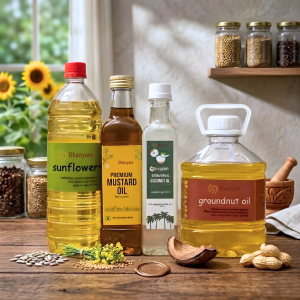
Cold-pressed oils are mechanically extracted with less intensive heat and refining. Good-quality oils retain their characteristic aroma, colour and small amounts of naturally occurring compounds such as tocopherols, phytosterols and polyphenols. Sesame oil tastes nutty, groundnut oil tastes rounded and savoury, and coconut oil brings its familiar aroma. Their flavour can make a modest amount of oil feel satisfying in traditional cooking.
Potential advantages
- Less intensive processing: mechanical extraction avoids the full sequence of high-temperature refining, bleaching and deodorising.
- Natural flavour: distinctive aroma encourages oils to be used intentionally rather than as an invisible bulk ingredient.
- Minor plant compounds: careful pressing can preserve some antioxidants and phytosterols that refining may reduce.
- Dietary variety: rotating suitable oils can provide different fatty-acid profiles and complement regional foods.
- Traceable local traditions: responsibly sourced sesame, groundnut and coconut oils can support smaller processors and local oilseed farming.
Cold-pressed does not mean unlimited
All oils are calorie-dense, and “natural” is not a licence to use them freely. Coconut oil is also high in saturated fat. Cold-pressed oils differ in heat tolerance, so one oil is not ideal for every technique. Use fresh, good-quality oil, match it to the dish and avoid heating it until it smokes.
- Cold-pressed sesame oil: suitable for many South Indian preparations, tempering and moderate sautéing; its flavour works well with kuzhambu, podi and vegetables.
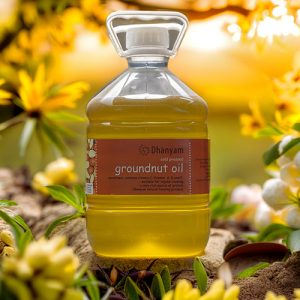
- Cold-pressed groundnut oil: a versatile choice for sautéing and many higher-heat Indian dishes when handled without prolonged overheating.
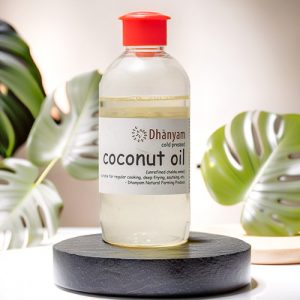
- Cold-pressed coconut oil: relatively heat-stable and traditional in Kerala cooking, but still high in saturated fat; use according to your overall dietary needs.
Smoke point is useful but not the only measure of oil quality. Freshness, fatty-acid composition, storage, cooking temperature, heating time and reuse all matter.
A practical everyday strategy
- Cook mostly from whole or minimally processed ingredients.
- Check ingredient lists on biscuits, snacks, spreads and frozen foods.
- Compare saturated fat, sodium, added sugar and serving size—not just the oil claim.
- Keep deep-fried food occasional and choose outlets that appear to maintain clean frying practices.
- At home, prefer steaming, pressure-cooking, sautéing, roasting and shallow cooking more often than deep frying.
- Use fresh traditional oils in modest amounts, chosen for the cooking method and flavour.
- Store cold-pressed oils tightly closed, away from light and heat, and buy quantities you can finish while fresh.
The bottom line
Palm oil is not uniquely toxic, and an occasional food containing it is unlikely to determine anyone’s health. The meaningful concern is repeated exposure through fried and ultra-processed foods, excess saturated fat, poor-quality refining and oil that has been heated again and again. Moving daily cooking toward fresh ingredients and sensibly used cold-pressed sesame, groundnut or coconut oil can bring flavour, traditional food knowledge and a more transparent relationship with the fat in your meals.
The best question is not simply “Does this contain palm oil?” but “How processed is this food, how often do I eat it, how was the oil handled, and what does it replace in my diet?”