What Our Grandmothers Knew About Food
Rediscovering the quiet wisdom of traditional Indian kitchens.
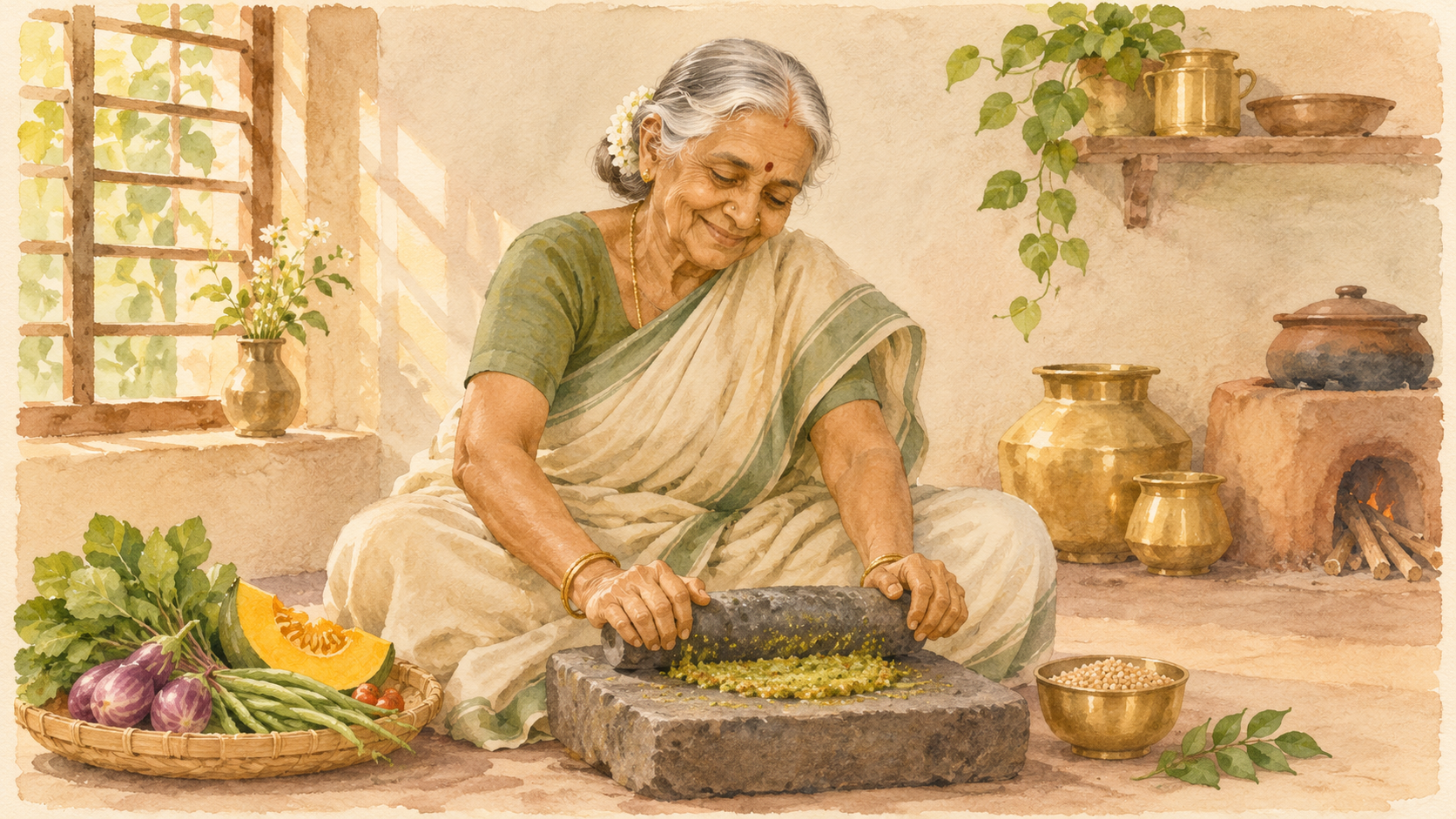
Long before gut health and mindful eating became everyday conversations, many of our grandmothers were soaking grains, fermenting batter and cooking with the seasons. Their kitchens offer practical lessons in variety, preparation, simplicity and care.
There were no calorie-counting apps, elaborate diet charts or expensive nutritional supplements. In many homes, there was a close understanding of ingredients, seasons and the work of feeding a family. Traditions varied between regions and households; they did not guarantee a balanced diet for everyone.
Much of this knowledge was not acquired from books. It was passed down through generations, refined through observation, experience and an intimate connection with nature.
Perhaps it is time we revisited some of that wisdom.
1. Eat What the Season Offers
Summer meant neer mor, tender coconut, nungu and water-rich vegetables. The colder months brought sesame, traditional sweets and nourishing preparations. Mangoes were eagerly awaited, enjoyed in abundance during their season and then patiently waited for again.
Our grandmothers understood the rhythm of nature.
Seasonal produce is often fresher, more flavourful, locally available and economical. Eating seasonally also brings a natural diversity to our diets throughout the year.
Not everything needs to be available all the time.
2. Food Was Prepared, Not Just Cooked
Rice and pulses were washed and soaked. Idli and dosa batter was allowed to ferment overnight. Grains were sprouted. Spices were freshly ground.
These practices were not merely culinary traditions.
Soaking can help reduce certain antinutrients in grains and pulses. Fermentation can improve digestibility and the availability of certain nutrients. Sprouting can alter the nutritional composition of grains and legumes.
These methods also brought flavour and texture to everyday cooking. Their effects depend on the ingredient and process. FAO’s overview of fermented cereals explains how fermentation can reduce phytate, a compound that binds some minerals. Fermented food is not automatically probiotic; cooked idli and dosa should not be treated as sources of live probiotic cultures.
Good food often requires time, patience and preparation.
3. Diversity Was the Secret
Our grandmothers did not depend on a handful of ingredients throughout the year.
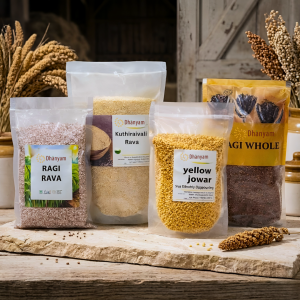
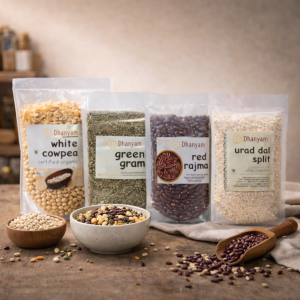
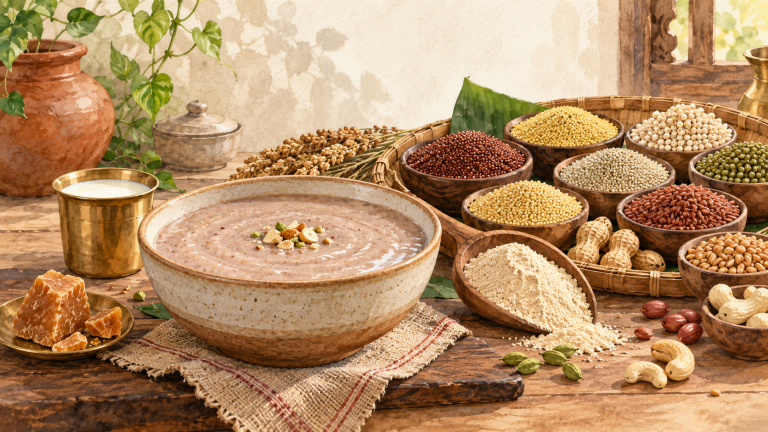
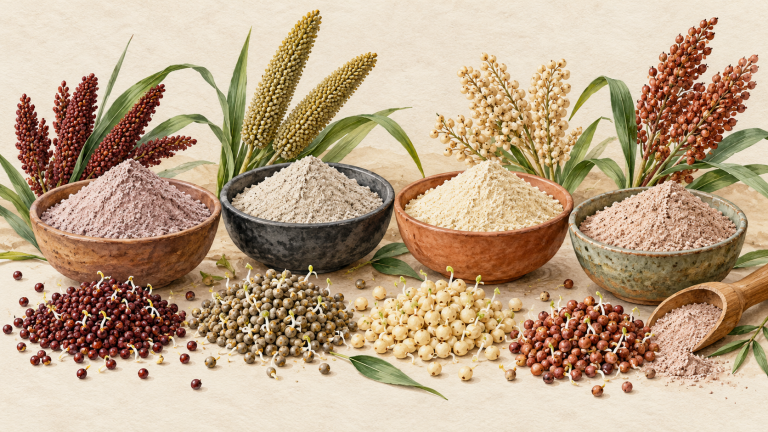
There was ragi, kambu, thinai and samai. There were traditional varieties of rice, different kinds of pulses, seasonal greens, native vegetables and a wonderful variety of spices.
One day it was keerai masiyal, another day vazhaipoo usili, and another day kollu rasam.
Every ingredient brought something different to the table.
Today, WHO guidance on healthy diets recognises diversity as a foundation of healthy eating. Rediscovering traditional grains, pulses and vegetables is a simple way to enrich our everyday meals.
4. The Kitchen Was Also a Place of Care
A little ginger in the morning. Jeera water after a heavy meal. Pepper rasam on a rainy day. Turmeric in everyday cooking. A glass of buttermilk on a hot afternoon.
Our grandmothers knew how to use ordinary kitchen ingredients to provide nourishment and comfort.
These preparations can offer familiar flavours, nourishment and comfort. They are not substitutes for medical treatment, and using a spice in cooking is different from taking a concentrated supplement.
Perhaps the greatest wisdom was in making these ingredients a regular part of life, rather than seeking them only when something went wrong.
5. Very Little Went to Waste
Banana flowers, banana stems, vegetable peels, pumpkin seeds and leftover rice all found their way into delicious preparations.
Ridge gourd peel became thogayal. Ripe bananas became sweet delicacies. Excess seasonal produce was turned into pickles, vadams and preserves.
Resourcefulness was an everyday habit.
Long before sustainability became a fashionable word, our traditional kitchens practised it with remarkable creativity.
There was an inherent respect for food and for the effort that went into growing it.
Resourcefulness works best alongside food safety. Use only edible, sound vegetable parts and wash them well. Cool leftover rice quickly, ideally within an hour, refrigerate it and use it within 24 hours; reheat only once, until steaming hot throughout. Do not leave cooked rice out overnight. See the Food Standards Agency’s home food guidance.
6. Food Was Best When It Was Simple
A bowl of hot rice, freshly prepared paruppu, a spoonful of ghee, seasonal vegetables and homemade curd could make a deeply satisfying meal.
Food did not have to be exotic, expensive or complicated to be nourishing.
Our grandmothers relied largely on recognisable ingredients, traditional cooking methods and freshly prepared meals.
Today, when supermarket shelves are filled with increasingly elaborate food products and lengthy ingredient lists, there is much to appreciate about the simplicity of traditional cooking.
Good nutrition need not be complicated.
7. Eating Was an Experience
Meals were an occasion to sit together. Food was served with attention and eaten without the distractions of television screens or mobile phones.
There was an emphasis on eating at regular times, chewing well and recognising when one had eaten enough.
Today, we call some of these practices mindful eating.
Eating with attention allows us to appreciate flavours, recognise hunger and fullness, and develop a more conscious relationship with food.
Food was not merely fuel for the body. It was also an expression of affection, hospitality and togetherness.
Bringing the Wisdom Back
We need not recreate our grandmothers' kitchens entirely. Modern life has its own demands, and advances in nutritional science and food safety have brought us valuable knowledge.
But we can certainly bring back some of the best practices of the past.
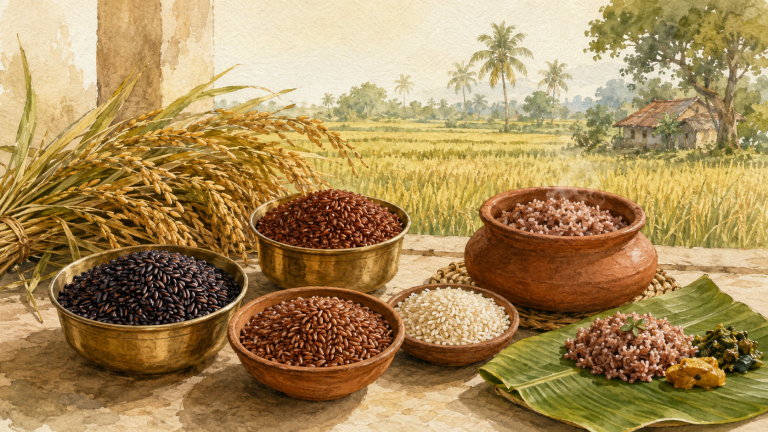
Choose seasonal vegetables. Explore traditional rice varieties. Include different millets and pulses in your meals, checking labels if you prefer unpolished options. Keep familiar whole spices in the kitchen. Make room for fermented foods. Cook with simple ingredients. Waste less. Eat with awareness.
For a practical starting point, try thinai in a familiar meal or explore Sattva Kitchen’s Kanji Mavu and how to prepare it. Check the pack for ingredients, allergens and cooking instructions. The regular Kanji Mavu contains wheat, groundnut and cashews. Stock and delivery availability depend on your location.
-
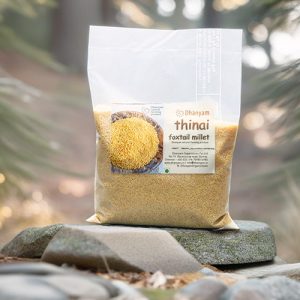
Thinai | Foxtail Millet | Kangni
Price range: ₹95.00 through ₹170.001 kg / 500 g Add This product has multiple variants. The options may be chosen on the product page -
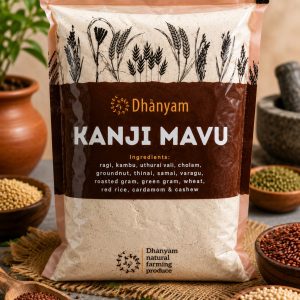
Organic Kanji Mavu | Organic Porridge Mix | Organic Sathu Mavu Kanji
₹320.00500 g Add
Small changes in our everyday kitchens can make a meaningful difference over time.
At Dhanyam, we believe that the future of good food need not be entirely new. Sometimes, it lies in rediscovering what we have left behind.
Because not all wisdom needs to be invented. Some of it simply needs to be remembered.
Dhanyam – Good Food to People.