Organic Karupatti and Its Health Benefits: What to Know Before You Buy
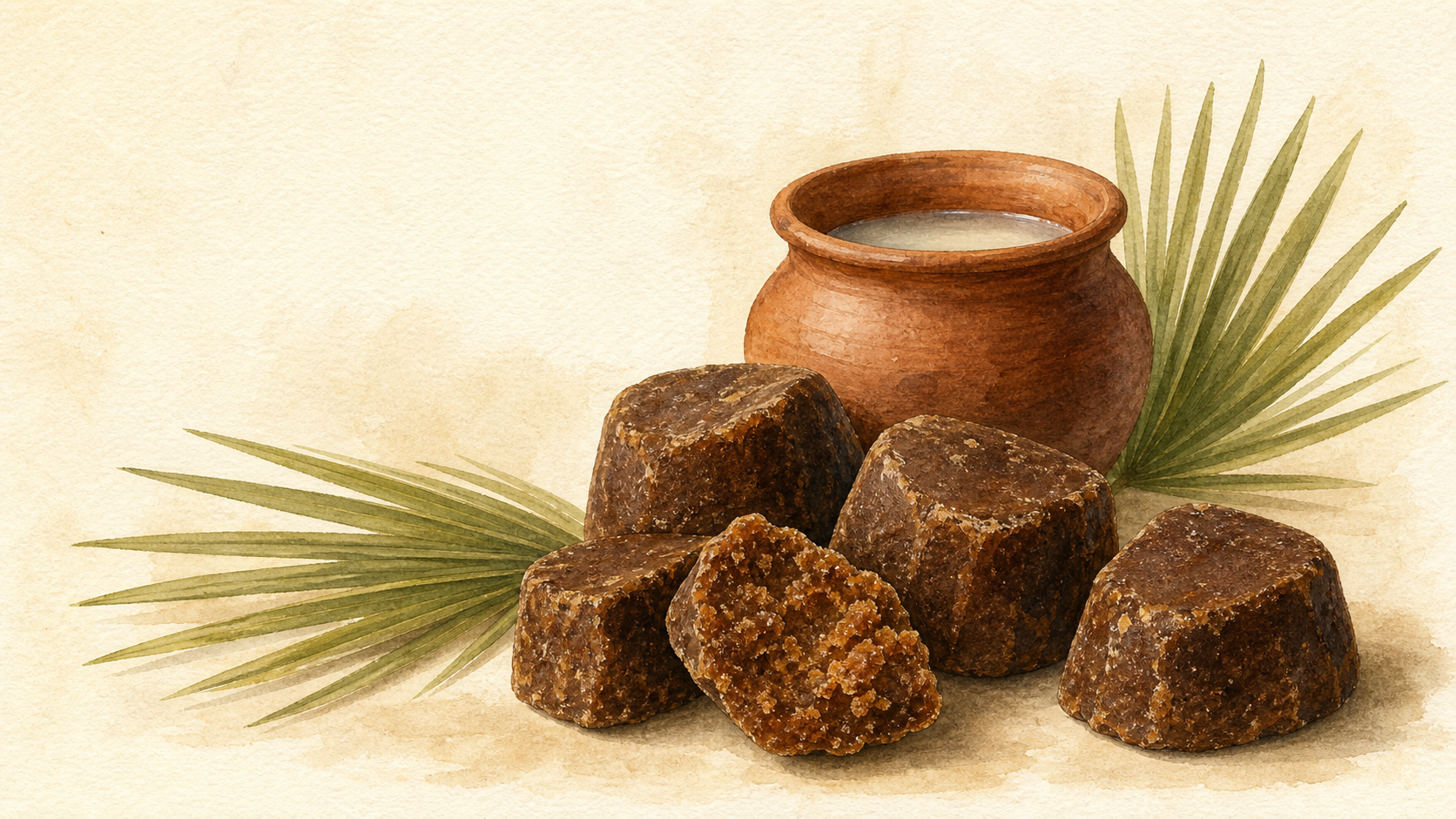
Karupatti—traditional palm jaggery—is valued across Tamil households for its deep, smoky sweetness and its place in drinks, sweets and everyday cooking. Organic karupatti can be a flavourful alternative to highly refined white sugar, but it is important to understand what it can and cannot do for health.
What is karupatti?
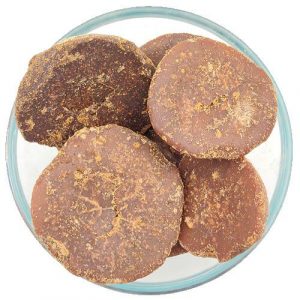
Karupatti is an unrefined sweetener traditionally made by concentrating the sap collected from palmyra palms. The sap is filtered and heated until much of its water evaporates, then poured into moulds to cool and set. The result is a dark brown jaggery with caramel, earthy and mildly smoky notes.
The word organic should refer to the way the palms are cultivated and the product is processed and certified. It does not mean the product is sugar-free, low-calorie or suitable for unlimited consumption.
Potential benefits—without the exaggeration
1. Less refined and traditionally processed
Traditional karupatti generally undergoes fewer refining steps than white sugar. Its characteristic colour and flavour come from the palm sap and concentration process rather than from being refined into nearly pure white crystals. For shoppers trying to choose less-refined pantry ingredients, this can be a meaningful quality difference.
2. Small amounts of naturally occurring minerals
Because it is not refined in the same way as white sugar, palm jaggery may retain small quantities of minerals present in the original sap. The exact amount varies with the palm, soil, season and processing method. These trace nutrients are a modest nutritional difference—not a reason to treat karupatti as a mineral supplement.
Claims that karupatti can correct iron deficiency or anaemia are not well supported. Anyone concerned about low iron should seek appropriate testing and advice, and rely on established iron-rich foods or prescribed supplements rather than a sweetener.
3. Strong flavour may help a little go a long way
Karupatti has more flavour complexity than plain white sugar. In coffee, herbal drinks, porridges and traditional sweets, a smaller amount may sometimes provide enough perceived sweetness and aroma. This is practical only if the total quantity of added sugar actually decreases.
4. Supports traditional food knowledge
Choosing carefully sourced karupatti can support traditional palm-based food systems and keep regional preparation skills relevant. This cultural and agricultural value is distinct from a medical benefit, but it is still a good reason to understand where a product comes from and how it was made.
The important truth: karupatti is still sugar
Karupatti is concentrated sugar and contributes calories and free sugars to the diet. Replacing one spoon of white sugar with one spoon of karupatti does not make a sweetened drink “healthy,” and it should not be consumed freely because it is traditional or organic.
The World Health Organization recommends keeping free sugars below 10% of total daily energy intake, with a further reduction below 5% offering additional benefits. For a 2,000-calorie diet, 10% is roughly 50 grams of free sugar from all sources combined—not 50 grams of karupatti in addition to other sweets and sweetened drinks.
People managing diabetes, insulin resistance, high triglycerides, dental problems or weight concerns should count karupatti as an added sugar. Its colour and trace minerals do not remove its effect on total carbohydrate and sugar intake. Individual advice from a qualified clinician or dietitian is especially important when blood-glucose control is involved.
How to identify good-quality organic karupatti
- Read the ingredient list: ideally it should contain palm jaggery alone, unless you are intentionally buying a flavoured preparation such as sukku karupatti.
- Check the source: look for the producer, place of origin, batch details and a credible organic certification claim rather than relying only on the word “natural.”
- Expect natural variation: genuine karupatti can vary from medium to very dark brown depending on the sap and processing. Colour alone cannot prove purity.
- Notice the aroma: it should have a characteristic caramel, palm and mildly smoky aroma, without a harsh chemical smell.
- Examine the texture: blocks may be firm or slightly crumbly. Excess moisture, visible mould, fermentation or an unpleasant odour are warning signs.
- Avoid miracle claims: statements promising detoxification, instant immunity, diabetes control or a cure for anaemia are a reason to be cautious.
Simple ways to use it
Karupatti works well in sukku coffee, ragi or millet porridge, payasam, paniyaram, sesame sweets and selected baking recipes. Grate or shave only what you need. When substituting it for sugar, begin with less than the recipe calls for and adjust after tasting; its flavour is stronger and its moisture can affect texture.
For everyday drinks, gradually reducing sweetness is more beneficial than repeatedly switching between sweeteners. Let karupatti be an occasional flavour ingredient rather than an automatic addition to every beverage.
Storage tips
- Keep it in a clean, dry, airtight container.
- Use a dry spoon and protect it from steam and humidity.
- Store away from direct sunlight and strong-smelling foods.
- If the pack provides storage instructions or a best-before date, follow them.
- Discard it if you notice mould, insects, fermentation or an abnormal smell.
Karupatti or white sugar: which should you choose?
If you value traditional processing, regional flavour and a less-refined ingredient, good-quality karupatti can be the more interesting choice. If the question is purely about sugar intake, however, moderation matters more than the type of sweetener. The healthiest change is usually to reduce overall sweetness while building meals around vegetables, fruits, pulses, nuts and whole grains.
The Dhanyam takeaway
Organic karupatti is a traditional sweetener with distinctive flavour and potentially small amounts of retained minerals. Enjoy it for what it genuinely offers: taste, heritage and a less-refined option. Use modest portions, check the source carefully, and do not confuse “organic” with “unlimited” or “medicinal.”