How to Identify Fake Ghee: A Practical Consumer Guide
Pure ghee should be milk fat obtained from milk, butter or cream—not a blend quietly extended with vanaspati, refined vegetable oil, starch or another cheap fat. Because good ghee is valuable and visually simple, adulteration can be difficult to recognise at home. Aroma and texture provide clues, but no single kitchen trick can certify purity.
What does “fake ghee” mean?
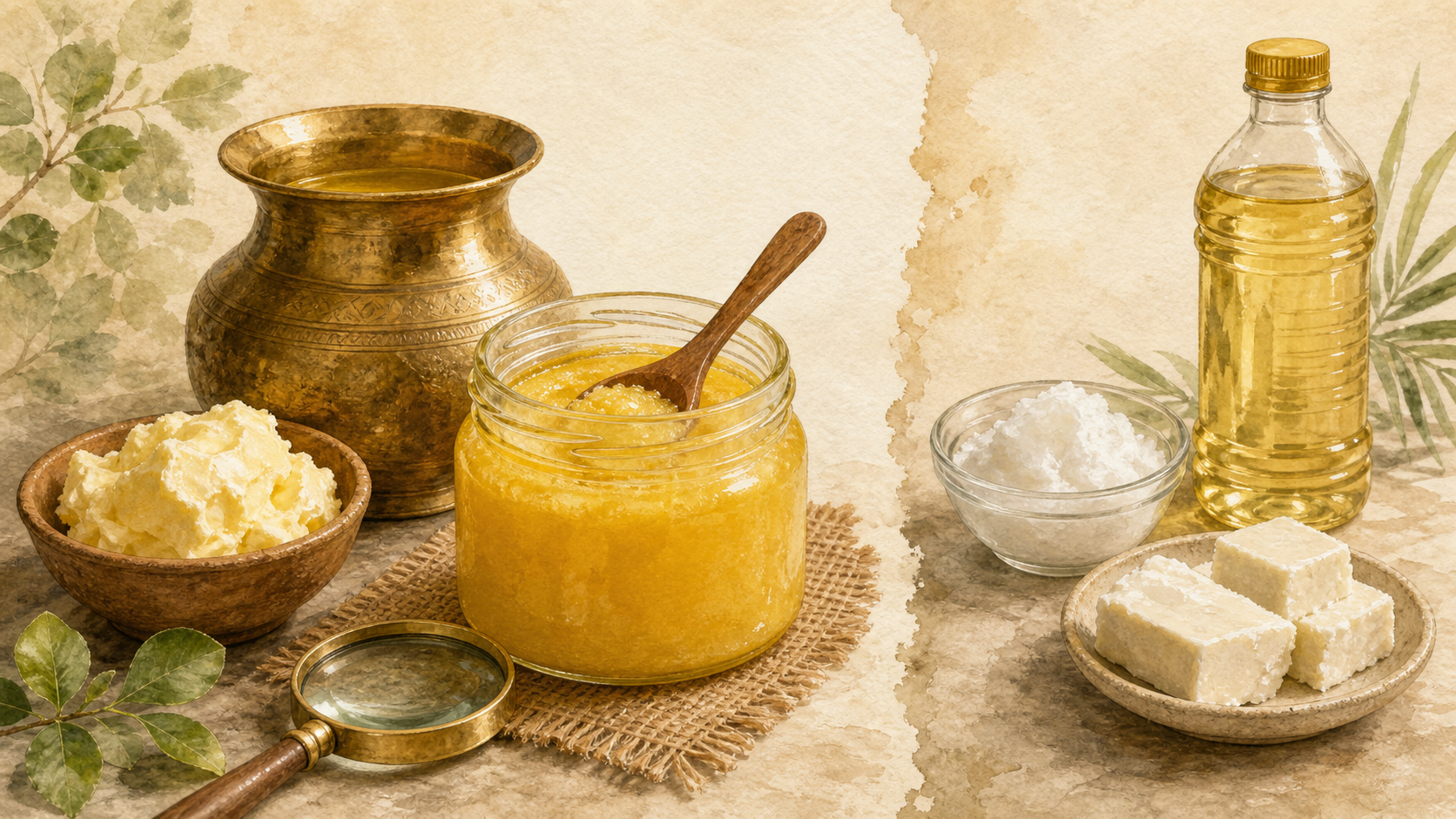
Ghee adulteration means substituting or mixing milk fat with an undeclared, lower-cost material. Reported adulterants include hydrogenated vegetable fat or vanaspati, refined vegetable oils, palm-based fats, animal body fats and, less commonly, non-fat materials such as starch. A product may also be misleading because it is rancid, poorly processed or falsely labelled even if no foreign fat is detected.
Start with the pack—not a viral home test
1. Read the legal name and ingredients
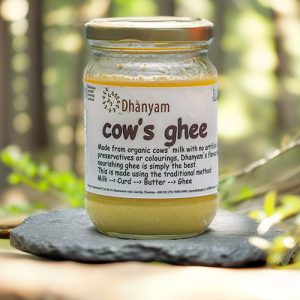
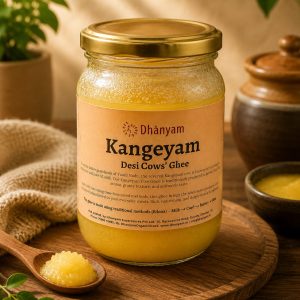
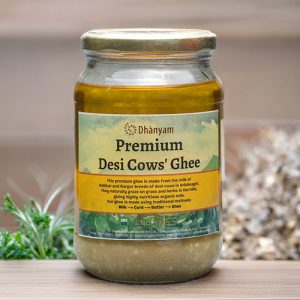
Look for the word ghee, not “ghee-flavoured spread”, “vegetable ghee”, “cooking fat” or a similar-sounding description. Check if there is an ingredient list and if so, if vegetable oil, palm oil, hydrogenated fat or shortening appears, in which case it is not pure dairy ghee—even when the front of the pack uses pastoral imagery.
2. Check traceability
A trustworthy pack should show the manufacturer or marketer, full address, FSSAI licence number, batch or lot number, packed/manufactured date, best-before date, net quantity and customer-care contact. An intact tamper seal and a readable batch code matter.
3. Treat an implausibly low price as a warning
Producing ghee requires a substantial quantity of milk or butter. A price far below comparable products deserves scrutiny. A high price does not prove purity, but an unrealistically low one can indicate substitution, poor sourcing or misleading pack size.
4. Prefer accountable sellers
Buy sealed ghee from a producer or retailer that can identify the source, issue an invoice and respond to a batch complaint. Loose ghee without traceability leaves the consumer with little evidence if something is wrong.
What can your senses tell you?
Good ghee commonly has a clean, rich dairy aroma and a pleasant cooked or nutty note. It should not smell waxy, soapy, chemical, stale, paint-like or sharply rancid. Melted ghee should look reasonably clear, without unexplained watery separation or sediment unrelated to normal milk solids.
These are quality clues—not proof of authenticity. Feed, breed, season, whether the ghee is made from cream or cultured butter, and processing temperature can all change colour, aroma and grain. Cow ghee may often appear more yellow because of carotenoids, while buffalo ghee may be paler, but colour alone cannot identify either species or prove purity.
Why popular household “purity tests” often mislead
The refrigerator or freezing test
A common claim says pure ghee solidifies uniformly while adulterated ghee forms layers. In reality, genuine milk fat naturally contains many triglycerides that crystallise at different rates. Storage temperature, cooling speed and previous melting can produce graininess, layers or a smooth texture. Adulterant blends can also be formulated to set like ghee. This test cannot confirm purity.
The palm-melting test
Ghee generally softens with body heat, but several vegetable and animal fats do too. Room temperature, quantity and fat composition change the result. Melting quickly on your palm is not a certificate of authenticity.
Colour, granules and “one perfect aroma”
Grainy ghee is not automatically pure, and smooth ghee is not automatically fake. Manufacturers can influence crystallisation through controlled cooling, and flavour can be added. Natural ghee itself varies. Use sensory observations to notice an abnormal batch, not to accuse a product of adulteration.
Heating in a pan
Pure ghee melts and can eventually smoke or brown residual milk solids. Adulterated fats may behave similarly. Flame, pan, moisture and temperature alter the appearance, making online “instant” heating demonstrations unreliable and potentially hazardous.
Are any simple screening tests useful?
FSSAI publishes rapid screening methods for certain adulterants. For example, iodine can reveal added starch through a blue colour reaction. Other traditional tests use strong acids to screen for vanaspati or specific oils. These tests are limited: they target particular substances, may produce ambiguous results, and a negative result does not establish that the ghee is pure.
Do not attempt acid-based tests in a home kitchen. Concentrated hydrochloric acid and similar reagents can burn skin and eyes and create unsafe fumes. Screening should be performed by trained personnel following an official method. Do not eat any sample after adding a test chemical.
Laboratory testing is the dependable answer
Modern adulteration can be designed to match ghee’s colour, aroma and melting behaviour. Confirmation therefore requires an accredited food laboratory. Depending on the suspected adulterant, laboratories may examine:
- fatty-acid and triglyceride profiles;
- cholesterol and plant-sterol markers such as beta-sitosterol;
- Reichert–Meissl, Polenske and related milk-fat constants;
- gas or liquid chromatography;
- FTIR or other spectroscopic fingerprints;
- differential scanning calorimetry and melting profiles.
No one marker detects every possible fraud. Laboratories use validated methods and interpret several results together. FSSAI has published an official method using cholesterol and beta-sitosterol markers for detecting selected vegetable oils in ghee.
A practical ghee-buying checklist
- Choose the correct product: the legal name and ingredients should indicate dairy ghee, not a flavoured spread or vegetable fat.
- Verify the basics: look for an FSSAI licence, batch number, dates, manufacturer details and an intact seal.
- Compare realistic prices: be cautious of prices dramatically below the market.
- Buy a manageable quantity: try a smaller sealed pack before committing to a large one.
- Keep the invoice and packaging: they identify the exact batch if you need to complain.
- Use clean, dry utensils: moisture and food crumbs can spoil genuine ghee and create false suspicion.
- Store as directed: keep it tightly closed, away from heat, sunlight and strong odours.
Warning signs after opening
- A rancid, chemical, soapy or strongly waxy odour
- A broken or previously disturbed seal
- Water droplets, mould or bubbling suggesting moisture contamination
- A label pasted over another label or a batch code that appears altered
- A flavour and texture drastically different from an earlier pack of the same batch or brand
Stop using the product if it appears contaminated or makes anyone ill. Do not rely on tasting more of it to investigate.
What to do if you suspect adulteration
Preserve the jar, lid, invoice and outer packaging. Photograph the label, batch code, seal and unusual appearance. Keep the remaining sample closed and stored according to its label; do not transfer it to another container. Contact the seller and manufacturer with the batch details. For a formal complaint or test, use the relevant state food-safety authority or FSSAI consumer grievance channel. A regulatory or accredited laboratory report is much stronger evidence than a social-media home test.
Does “organic”, “A2” or “bilona” prove purity?
No single marketing term proves that the contents are unadulterated. Organic certification addresses how certified agricultural ingredients are produced and handled. A2 refers to a type of milk protein, while ghee is overwhelmingly fat. Bilona describes a traditional cultured-butter process. Each claim should be traceable and truthful, but none replaces hygienic production, proper labelling, batch control and authenticity testing.
The bottom line
You can reduce risk by checking traceability, avoiding implausibly cheap or unsealed products and paying attention to rancidity or packaging irregularities. You cannot reliably certify ghee by its colour, grain size, melting speed or refrigerator behaviour. When authenticity truly matters, validated laboratory testing—not a kitchen trick—is the answer.