Kombucha: History, How It Is Made, How to Drink It and Health Benefits
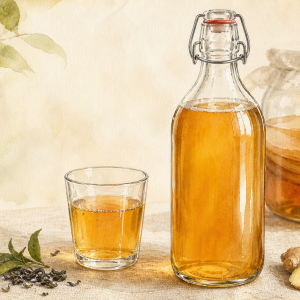
Kombucha is a gently sparkling, sweet-and-sour drink made by fermenting sweetened tea with a living culture of yeasts and bacteria. Its refreshing acidity has made it popular as an alternative to sugary soft drinks, but kombucha is best understood as a fermented food helping in detoxing the body.
What exactly is kombucha?
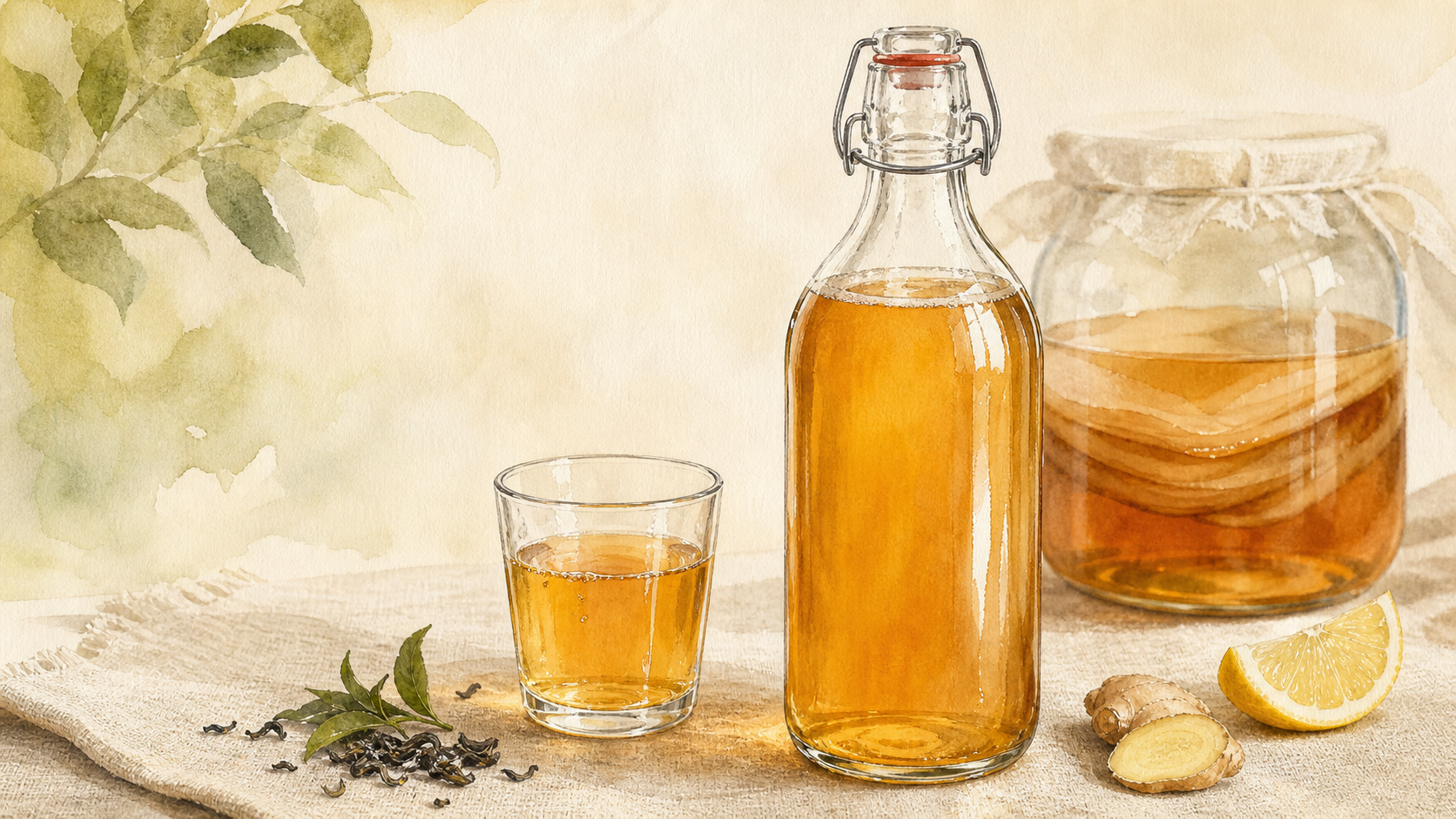
Traditional kombucha begins with brewed tea, usually black or green tea, and sugar. A portion of mature kombucha and a SCOBY—a symbiotic culture of bacteria and yeast—are added after the tea has cooled. The rubbery-looking SCOBY is mainly a cellulose mat made by bacteria. It houses part of the culture, while many of the active microorganisms also live in the liquid.
During fermentation, yeasts break down sugar and produce carbon dioxide and small amounts of alcohol. Acetic-acid bacteria then convert some of that alcohol into organic acids. The result is a drink that is tangy, lightly fizzy and less sweet than the tea with which it began. The final sugar, acidity, caffeine and alcohol content can vary considerably between brands and batches.
A short history of kombucha
The precise birthplace of kombucha is not firmly documented. Food-history and scientific reviews commonly trace it to north-eastern China or Manchuria more than two thousand years ago. From there, fermented tea traditions are thought to have travelled through Russia and Eastern Europe before becoming familiar in Western Europe and, much later, around the world.
Its name is sometimes linked to legends about a physician called Kombu, but these stories should be treated as folklore rather than established history. What is certain is that households in several cultures maintained their own cultures, passing the SCOBY and starter liquid from one batch to the next—much like sourdough starter.
How kombucha is prepared
- Tea is brewed and sweetened. Black tea, green tea or a blend is steeped in clean hot water. Sugar is dissolved in the tea; it is food for the culture, not merely a sweetener.
- The tea is cooled. Hot tea can damage the microorganisms, so the sweet tea must reach a safe room temperature before the culture is introduced.
- Starter and SCOBY are added. Acidic liquid from a successful previous batch helps lower the pH, and the SCOBY introduces the fermentation community.
- Primary fermentation takes place. The vessel is covered with a breathable barrier and kept under controlled conditions. Over roughly one to two weeks, the flavour changes from sweet tea to pleasantly tart kombucha. Time and temperature affect acidity, sweetness and aroma.
- The drink is checked and bottled. Responsible makers monitor hygiene, acidity, flavour and alcohol. The kombucha may be filtered or left naturally cloudy.
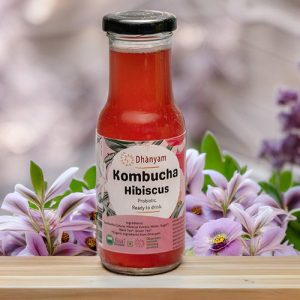
- Flavour and sparkle may be added. Fruit, herbs or spices can be added before a brief secondary fermentation in sealed bottles. This builds carbonation, but it must be carefully controlled because pressure and alcohol can continue to rise.
- Refrigeration slows fermentation. Chilling helps stabilise flavour and carbonation; it does not necessarily stop fermentation completely.
Can kombucha be made at home?
Yes, but fermentation needs more care than an ordinary tea recipe. Use a reliable, validated method, potable water, food-safe glassware, clean utensils, enough healthy starter liquid and proper acidity monitoring. Do not use a batch that develops fuzzy blue, green, black or white mould, a rotten smell, or other clear signs of contamination. Sealed bottles can become dangerously pressurised, so home brewers must also control secondary fermentation carefully. When in doubt, discard the batch rather than taste it.
How to drink and use kombucha
Kombucha can be served chilled on its own, alongside a meal, or poured over ice. It also works as a tart base for alcohol-free spritzers, salad dressings and marinades. Heating it will reduce its live-microbe content, although its flavour can still be useful in cooking.
- Start small: if fermented or acidic drinks are new to you, begin with about 100–150 ml and see how you feel. A typical serving can be around 150–250 ml; always follow the bottle’s serving guidance.
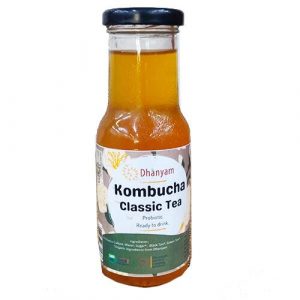
- Check the label: compare added sugar, caffeine, ingredients, serving size and storage directions. “Kombucha” does not automatically mean low-sugar.
- Keep it cold: refrigerate raw kombucha when directed. Leaving it warm can increase sourness, carbonation and alcohol.
- Open gently: do not shake the bottle. Open it slowly over a sink, especially if it has become warm.
- Natural sediment is common: strands or a small new SCOBY can form in unfiltered kombucha and are generally normal. A leaking or severely swollen pack, visible mould or a foul odour is not.
- Protect teeth: kombucha is acidic. Avoid sipping it continuously for hours; drink water afterwards and wait before brushing.
Potential health benefits
Tea polyphenols and antioxidant activity
Because kombucha starts as tea, it retains tea-derived polyphenols. Laboratory studies suggest that kombucha and its fermentation products can show antioxidant activity. These compounds are interesting from a nutrition perspective, but laboratory antioxidant measurements do not directly prove prevention or treatment of disease in people.
A fermented-food option
Raw, unpasteurised kombucha may contain living yeasts and bacteria, and fermented foods can add variety to the diet. However, microbial strains and their numbers vary widely, and not every kombucha has been shown to deliver a defined probiotic benefit. Pasteurised or heavily filtered versions may contain few or no live organisms.
Organic acids and digestion
Fermentation produces acetic, gluconic and other organic acids that give kombucha its characteristic tartness. Some people find a small serving pleasant with food. Claims that it “detoxifies” the body, cures digestive disorders or treats infections are not supported by strong human clinical evidence.
A possible alternative to sweeter drinks
A carefully chosen kombucha can be a flavourful replacement for a high-sugar soft drink. The benefit depends on the actual nutrition label: some products retain substantial sugar or contain sweet juice after fermentation. Portion size still matters.
Who should take extra care?
Kombucha may contain residual sugar, caffeine, alcohol and active microorganisms. Pregnant or breastfeeding people, young children, people with weakened immunity, and those with significant kidney or liver disease should seek individual medical advice before drinking it; some may be advised to avoid raw kombucha. Anyone who must avoid alcohol should check the product carefully, since fermentation can create alcohol even when it is not added. People managing diabetes, reflux or medicines affected by sugar, caffeine or acidity should also discuss regular use with their clinician.
Choose kombucha from a responsible producer, follow refrigeration instructions, and enjoy it in sensible portions. The best kombucha should taste clean, balanced and refreshing—pleasantly tart rather than harshly vinegary.
Frequently asked questions
Is kombucha alcoholic?
Fermentation naturally produces some alcohol. Commercial products sold as non-alcoholic are made and monitored to remain below the applicable legal threshold, but levels can change with poor temperature control or continued fermentation. Check the label if avoiding alcohol is important to you.
Does kombucha contain caffeine?
Usually yes, because it is commonly made with tea. The amount depends on the tea, brewing method and fermentation. A label or manufacturer is the best source for a specific bottle.
Is the floating material safe?
Fine sediment, yeast strands and a thin cellulose layer can be normal in raw kombucha. Fuzzy mould, an unpleasant rotten smell, damaged packaging or extreme pressure are reasons not to drink it.