Shilajit: What It Is, How to Use It, Benefits, Risks and Realistic Expectations
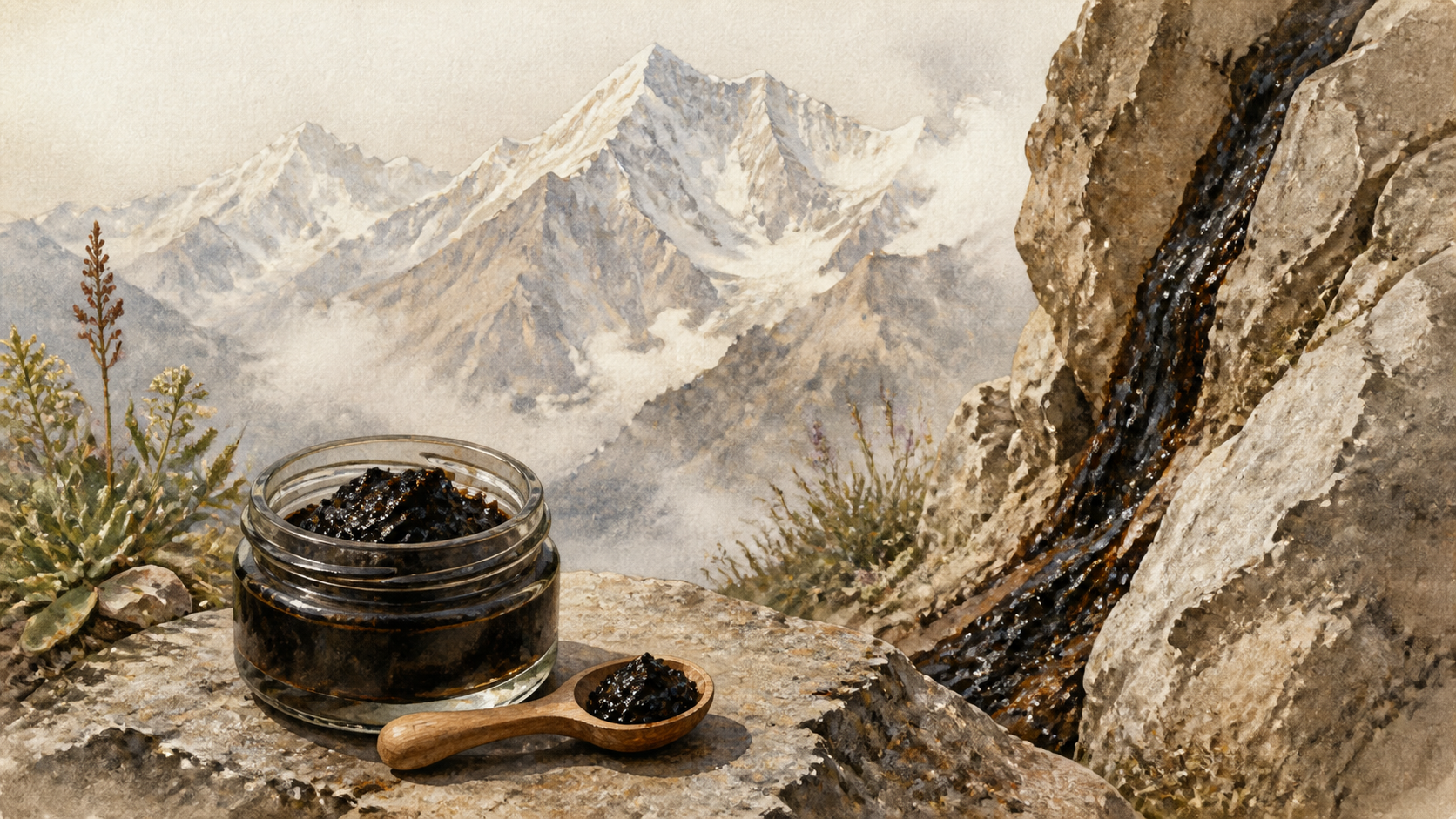
Shilajit is a dark, resin-like natural material collected from rock formations in high mountain regions, especially the Himalayas. Ayurveda has valued purified shilajit as a rasayana—a substance traditionally used to support strength, resilience and healthy ageing. Today it is sold as resin, powder, capsules and liquid extracts, often with extravagant promises. The sensible position lies between blind belief and easy dismissal: respect the depth of traditional practice, choose purified and tested material, and judge modern health claims by the quality of evidence.
What exactly is shilajit?
Shilajit is not a single herb. It is a complex mixture of organic matter and minerals that gradually forms within mountain rock. Seasonal warmth can soften the material and allow it to seep from fissures. Its composition varies with geography, altitude, source vegetation, microbial activity and purification.
Analyses commonly identify humic substances, including fulvic acids, along with dibenzo-alpha-pyrones, minerals and many other compounds. Listing dozens of components does not prove that all are absorbed, beneficial or present in a meaningful dose. A finished product must be evaluated as a whole.
Shilajit in traditional medicine
Classical Ayurvedic practice describes shilajit as a rasayana and uses it within an individualised system involving constitution, digestion, diet, season, age and disease state. Traditional use is not simply “take a spoonful for energy”. Raw material is purified through prescribed processes, dose and accompanying substances may vary, and a trained practitioner monitors the person’s response.
This history deserves respect. Long use can identify promising practices and guide scientific questions. At the same time, tradition is not the same as a controlled trial, and a modern internet product may differ greatly from material prepared by a knowledgeable practitioner. Respecting traditional medicine includes respecting its cautions, processing disciplines and clinical judgement—not only borrowing its most marketable ingredient.
What does modern research suggest?
Energy, fatigue and physical performance
Laboratory and animal research suggests possible effects on mitochondrial function, oxidative stress and adaptation to fatigue. A small number of human studies have examined strength, fatigue or exercise-related outcomes, but evidence remains too limited to promise a noticeable energy increase for everyone. Tiredness can arise from anaemia, thyroid disease, sleep problems, infection, depression, medication effects or many other causes that a supplement cannot safely diagnose.
Male hormones and fertility
One randomised, double-blind trial in healthy men aged 45–55 reported increased total and free testosterone after 250 mg of purified shilajit twice daily for 90 days. Other small studies have investigated male fertility. These are interesting signals, not proof that every Shilajit resin raises testosterone, treats infertility or replaces medical evaluation. Product, dose, participant group and study sponsorship also matter.
Bone health
A controlled trial in postmenopausal women with osteopenia reported that a standardised shilajit extract helped preserve bone mineral density over 48 weeks, alongside changes in oxidative-stress and inflammation markers. The finding needs replication. Shilajit should not replace calcium and vitamin D assessment, weight-bearing activity or prescribed osteoporosis treatment.
Antioxidant and anti-inflammatory potential
Shilajit and some of its constituents demonstrate antioxidant or anti-inflammatory activity in laboratory studies. These findings help researchers understand possible mechanisms, but test-tube results do not establish that the product prevents cancer, dementia, diabetes, infection or ageing in humans.
What shilajit has not been proven to do
There is no strong clinical evidence that shilajit cures cancer, reverses diabetes, treats Alzheimer’s disease, permanently raises testosterone, dissolves kidney stones, eliminates all fatigue or functions as a universal “detox”. Such claims can cause real harm when they delay diagnosis or proven care.
A traditional rasayana is better understood as part of long-term health practice than as an instant pharmaceutical effect. If a person uses shilajit appropriately, any meaningful change may be gradual, modest or absent. Waiting for a result should mean observing carefully over an agreed period—not continuing indefinitely despite side effects or worsening illness.
How to use shilajit
There is no universal dose because resin, powder and standardised extracts differ in concentration. Human studies have often used purified, standardised extracts in the range of about 250–500 mg per day, but this does not establish the correct dose for every product or person.
- Use only purified material: never consume raw material collected directly from rock.
- Follow the specific label: use the supplied measure rather than guessing a “pea-sized” portion, which can vary considerably.
- Start conservatively: if a qualified clinician agrees it is appropriate, begin at the low end of the product’s directions.
- Dissolve resin properly: many products instruct users to dissolve a measured amount in warm water or milk. Do not use boiling liquid unless the manufacturer directs it.
- Take it consistently, not excessively: taking more does not make it work faster and can increase risk.
- Set a review date: decide in advance what outcome you are monitoring and reassess with a clinician rather than using it endlessly by habit.
A qualified Ayurvedic physician can advise on traditional suitability, processing and accompanying diet. A medical doctor or pharmacist can help assess interactions, symptoms and existing conditions. These forms of knowledge can work alongside each other.
The largest practical risk: contamination
Raw or poorly processed shilajit can contain soil, microbes, mycotoxins and undesirable metals. Mineral-rich is not automatically beneficial: lead, arsenic, mercury and cadmium can accumulate and cause neurological, kidney, liver, blood and developmental harm. Government warnings about some unapproved Ayurvedic products show why source and testing matter.
“Himalayan”, “natural”, “organic”, “pure resin”, its ability to stretch, or whether it dissolves in water cannot prove safety. Social-media flame, thread and freezer tests do not measure heavy metals or microbes.
What to look for in a product
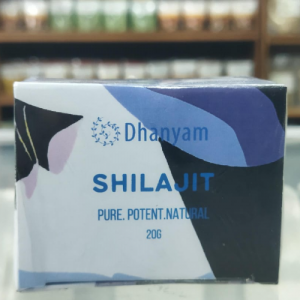
- A named manufacturer with address, batch number, dates and customer-care details
- Appropriate FSSAI or AYUSH licensing for the way the product is legally sold
- A batch-specific certificate of analysis from an accredited independent laboratory
- Results for lead, arsenic, cadmium and mercury—not merely “heavy metals passed”
- Microbial, yeast and mould testing and, where relevant, mycotoxin testing
- A clear ingredient list, serving size and standardisation method
- No claims to cure multiple unrelated diseases
A certificate should identify the same batch printed on the pack, include numerical results and test methods, and name the laboratory. A generic undated PDF is weak evidence.
Who should avoid it or seek medical advice first?
Pregnant or breastfeeding people and children should avoid shilajit unless specifically prescribed by an appropriately qualified clinician, because adequate safety data are lacking. Medical advice is especially important for people with kidney or liver disease, gout or high uric acid, haemochromatosis or other iron-overload disorders, blood-pressure or glucose disorders, bleeding conditions, hormone-sensitive illness, or planned surgery.
Check before combining it with diabetes medicines, blood-pressure medicines, blood thinners, hormone treatment or multiple supplements. Never use shilajit as a substitute for prescribed medication, and do not stop treatment because a seller promises a cure.
Respecting tradition without expecting miracles
Two unhelpful extremes dominate conversations about traditional remedies. One says that centuries of use prove every claim and make testing unnecessary. The other says that anything not yet supported by large modern trials has no value. Neither position encourages learning.
Traditional knowledge can preserve careful observations, preparation methods and ways of understanding the whole person. Modern research can test dose, purity, interactions, benefits and harms under controlled conditions. When evidence is preliminary, the honest response is curiosity with discipline: preserve knowledge, improve product quality, fund independent trials, report negative results and update beliefs as evidence grows.
Patience matters, but patience is not passive faith. Keep ordinary foundations—food, sleep, movement, relationships and appropriate healthcare—in place. Define what improvement would look like, allow a reasonable time, and stop if the product is ineffective, unsafe or financially burdensome.
The bottom line
Shilajit is a complex mountain-derived material with a respected place in Ayurveda and several promising areas of early research. It is not a miracle cure. The evidence is limited, products vary widely, and contamination can be more important than the theoretical benefit. Choose purified, batch-tested shilajit; use only a measured product-specific dose; involve qualified practitioners; and judge results calmly over time.
Respect for traditional medicine and scientific caution are not opposites. Both ask us to observe carefully, prepare medicines responsibly, avoid exaggerated claims and place the person’s wellbeing above the sale of a product.